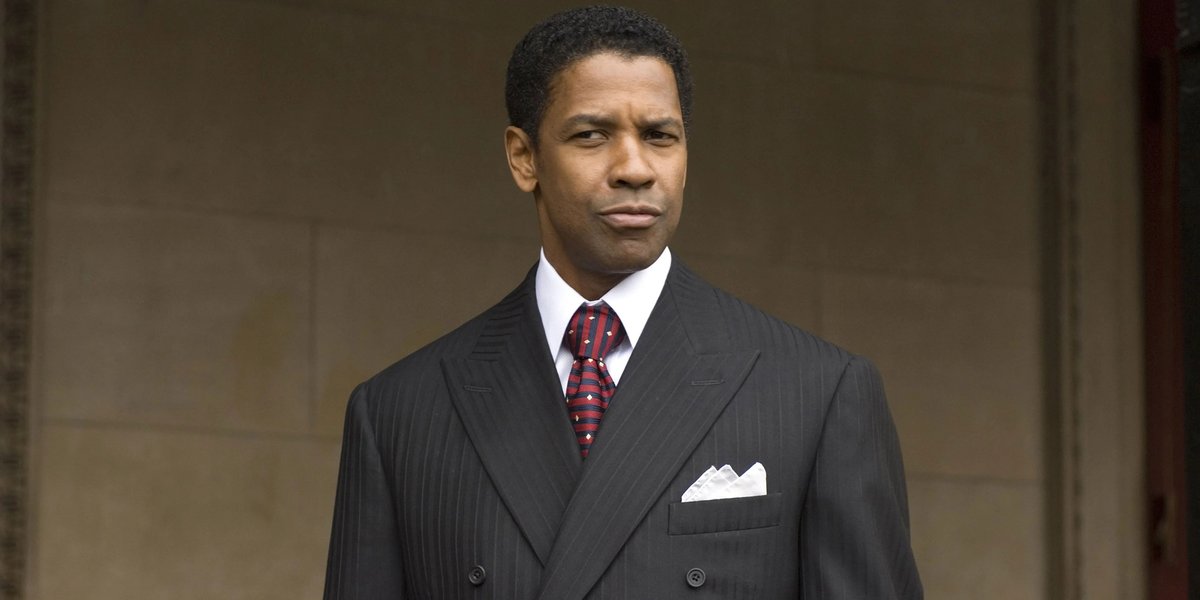
Navigating the nuanced world of celebrity interviews can be a tricky business, especially when cultural icons like Denzel Washington step onto live television. While his illustrious career spans decades of acclaimed performances, one particular segment stands out as a defining moment, sparking widespread discussion about boundaries, integrity, and the very nature of public discourse. We’re talking, of course, about the Key Discussions and Topics from Denzel Washington's The View Appearances, a subject that offers far more depth than a simple recap.
This isn't just about a star promoting a film; it's about a masterclass in maintaining personal conviction in the face of pressure, a moment that reverberated far beyond the studio walls. It challenged perceptions of what celebrities "owe" the public and media, inviting us all to consider the power of quiet truth amidst noisy politics.
At a Glance: Denzel Washington on The View
- The Defining Moment: Denzel Washington's highly publicized walk-out from "The View" after being pressed on political and cultural issues.
- His Stance: Advocated for "quiet truth" and discernment over "noisy politics" and "performative outrage."
- Key Message: Distinguished silence from strategic choice, emphasizing that his dignity isn't a brand to be exploited.
- Public Reaction: Widely praised as a "masterclass in grace, poise, and boundaries," sparking national conversations on civility.
- Lasting Impact: Modeled a form of leadership prioritizing clarity without confrontation and conviction without anger.
- Denzel's Follow-up: "No regrets. Not everything needs a sequel." and "I don’t debate monsters. I expose them. And when I’m done — I leave."
Beyond the Headline: Understanding the Context of a Pivotal Appearance
Denzel Washington is not just an actor; he’s a cultural touchstone, a figure synonymous with gravitas and authenticity. His appearances on shows like "The View" are typically opportunities to discuss his latest projects, reflect on his career, and perhaps share a few anecdotes. However, one specific Denzel Washingtons appearance on The View took an unexpected turn, transforming a routine interview into a profound moment of quiet protest.
He was on the show to promote a post-Civil War drama focused on reconciliation, a topic deeply resonant with his own philosophy of unity and understanding. Yet, the conversation veered sharply, as co-host Sunny Hostin repeatedly pressed him on his perceived avoidance of politics and his "silence" on cultural issues. This wasn't merely a disagreement; it was a clash of philosophies, an intersection where the expectations of public figures met an individual’s deeply held principles.
The incident became a flashpoint, not because of dramatics or shouting, but precisely because of Washington’s composed and deliberate response. He chose to articulate his position with clarity and then, just as clearly, to disengage. It's a powerful lesson in how to manage public pressure and maintain personal integrity under the glare of the spotlight.
When Promoting Art Meets Political Interrogation
Imagine you’re there to talk about your life’s work, a project you’ve poured your heart into, only to be asked why you’re not louder about the latest headline. This was the situation Denzel Washington found himself in. His film aimed to foster dialogue about reconciliation, a far cry from the partisan debates often dominating news cycles. He expressed a preference for "quiet truth" over "noisy politics," a statement that resonated deeply with many who are fatigued by the constant din of performative outrage in public discourse.
This distinction between silence and discernment is crucial. Washington wasn't silent; he was choosing where and how to use his voice. He rejected the notion that his "dignity" was a "branding" tool to be wielded on command, or that it was the media's right to dictate his activism. This perspective offers a valuable lens through which to examine celebrity culture, media responsibility, and the nuances of public platforms.
The Walk-Out: A Masterclass in Poise and Boundaries
The moment itself was devoid of theatricality, which only amplified its impact. Washington articulated his position, stating, "You don’t know where I’ve used my voice. You only know where you didn’t hear it." Then, calmly and without fanfare, he removed his microphone and exited the set during a commercial break. His empty chair upon the show's return was a stark, silent testament to a boundary clearly, gracefully, and firmly set.
Whoopi Goldberg, a fellow acting legend, showed immediate respect for his choice, while Sunny Hostin later apologized, reflecting on the importance of listening. This aftermath is just as significant as the event itself, demonstrating how a moment of tension can lead to introspection and understanding, rather than just further division.
Key Takeaways from Denzel’s Departure
- Clarity Without Confrontation: Washington's statements were direct and unambiguous, yet delivered without anger or aggression. He stated his truth and his boundaries, leaving little room for misinterpretation.
- Conviction Without Anger: In a world often fueled by outrage, his response modeled a different path: one of calm conviction that prioritizes personal values over reactive emotional outbursts.
- The Power of Disengagement: Knowing when to remove yourself from a conversation that isn't productive or respectful is a powerful skill, both in public and private life. His actions served as a vivid example for anyone struggling with personal boundaries.
- Redefining Leadership: The incident challenged the expectation that public figures must be loud, partisan, and constantly engaged in every political fray. Washington demonstrated a form of leadership rooted in self-respect and principled disengagement.
The National Conversation It Sparked: Civility, Celebrity, and Expectations
The clip of Denzel Washington’s departure went viral instantly, sparking a national conversation. It wasn’t just about a celebrity walking off a set; it was about the broader implications of media pressure, the role of public figures, and the increasing demand for everyone, especially those with platforms, to declare their political allegiances.
Many praised Washington for his "masterclass in grace, poise, and boundaries," seeing his actions as a refreshing counter-narrative to the often-combative tone of modern media. It resonated with those who feel overwhelmed by the constant pressure to take sides, to perform their outrage, or to engage in debates they find unproductive.
Reclaiming Your Voice in a Noisy World
Washington’s choice underscored a crucial point: having a platform doesn't automatically mean forfeiting the right to choose how and when to use it. In a hyper-connected, social media-driven world, there's immense pressure to have an opinion on everything, immediately and publicly. Washington's actions offered an alternative: a reminder that true influence often comes from thoughtful consideration and strategic action, rather than reflexive participation in every debate.
- Understanding "Performative Outrage": This term, used by Washington, describes the act of expressing strong emotion, often anger or indignation, primarily for public display rather than genuine conviction or a desire for resolution. It’s about signaling virtue or allegiance to a group, sometimes at the expense of substantive dialogue.
- The Dignity of Silence: Not all silence is passive or ignorant. Sometimes, it’s a deliberate choice, a refusal to lend energy to debates that are designed to divide rather than enlighten. Washington illustrated that his "dignity" wasn't something for sale or for public spectacle.
- Setting Boundaries in Public Life: For public figures, the line between private and public life is constantly blurred. Washington’s walk-out was a powerful demonstration of drawing that line, even on national television. It taught viewers about the importance of protecting one's mental and emotional space, even when facing intense scrutiny.
Denzel Washington's Philosophy: "Don't Debate Monsters"
In the aftermath, Washington offered further insights into his mindset, reinforcing the power of his actions. "No regrets. Not everything needs a sequel," he stated, a pithy remark that speaks volumes about knowing when a situation has reached its natural conclusion.
Perhaps most tellingly, he shared a philosophy that many found profoundly insightful: "I don’t debate monsters. I expose them. And when I’m done — I leave." This isn't about avoiding confrontation; it's about strategic engagement. It suggests that some discussions are not debates to be won, but rather situations where one clarifies truth, exposes falsehood, and then conserves energy rather than engaging in endless, unproductive arguments.
Applying Denzel’s Wisdom to Your Own Interactions
While most of us aren't facing Sunny Hostin on live television, the principles Denzel Washington demonstrated are universally applicable:
- Know Your Boundaries: What topics are off-limits for you in casual conversation, at work, or even with family? Understand where your personal and emotional limits lie.
- Practice Discernment: Not every invitation to debate needs to be accepted. Choose your battles wisely. Is the conversation genuinely aiming for understanding, or is it designed to provoke and divide?
- Prioritize Quiet Truth: Instead of reacting to every noisy provocation, focus on living by your values and speaking your truth when it truly matters, rather than merely performing outrage.
- Graceful Disengagement: Learn how to politely but firmly exit a conversation that becomes disrespectful, unproductive, or emotionally draining. This could be a verbal "Let's agree to disagree" or, when necessary, a physical removal from the situation.
- Your Dignity is Not a Brand: Your worth is not determined by how loudly you declare your allegiances or how often you join a public fray. It comes from your integrity, your actions, and your commitment to your own principles.
The Broader Implications: Media Responsibility and Celebrity Activism
The incident also prompted a re-evaluation of media practices. Is it the role of a talk show to cross-examine a guest about their political silence, especially when they are there to discuss their art? The public reaction suggested a desire for more nuanced and respectful engagements, rather than purely adversarial interviews.
The expectation for celebrities to become political commentators has grown significantly. While many embrace this role, Washington’s actions highlighted the validity of choosing a different path – one where influence is wielded through art, personal conduct, and carefully chosen words, rather than through constant political declarations. It's a reminder that there are multiple ways to contribute to public discourse, and not all of them require a megaphone.
What This Teaches Us About Public Figures and Their Platforms
- Authenticity vs. Obligation: Washington highlighted the difference between speaking from genuine conviction and speaking out of a perceived obligation. True impact often stems from the former.
- The Art of "No": Learning to say "no" to demands that compromise your integrity or distract from your core purpose is a critical skill, regardless of your public profile.
- Reshaping Media Engagement: This event, and the conversations it generated, could encourage media outlets to rethink their approach to celebrity interviews, perhaps favoring more substantive discussions over gotcha moments. It's a call for mutual respect.
Moving Forward: Lessons in Integrity and Self-Respect
Denzel Washington's significant appearance on The View wasn't just a fleeting moment of controversy; it was a profound teaching moment. It showcased the power of maintaining personal integrity, setting clear boundaries, and choosing discernment over reactive engagement. For anyone navigating the complexities of public life—or even just challenging conversations in their personal life—Washington offered a powerful blueprint.
His actions served as a potent reminder that grace and quiet conviction can be far more impactful than performative outrage. He exposed a "monster" of expectation and then, with profound dignity, simply left, leaving behind a legacy of self-respect that continues to inspire. It’s a powerful testament to the idea that sometimes, the most eloquent statement is made not with words, but with principled action.