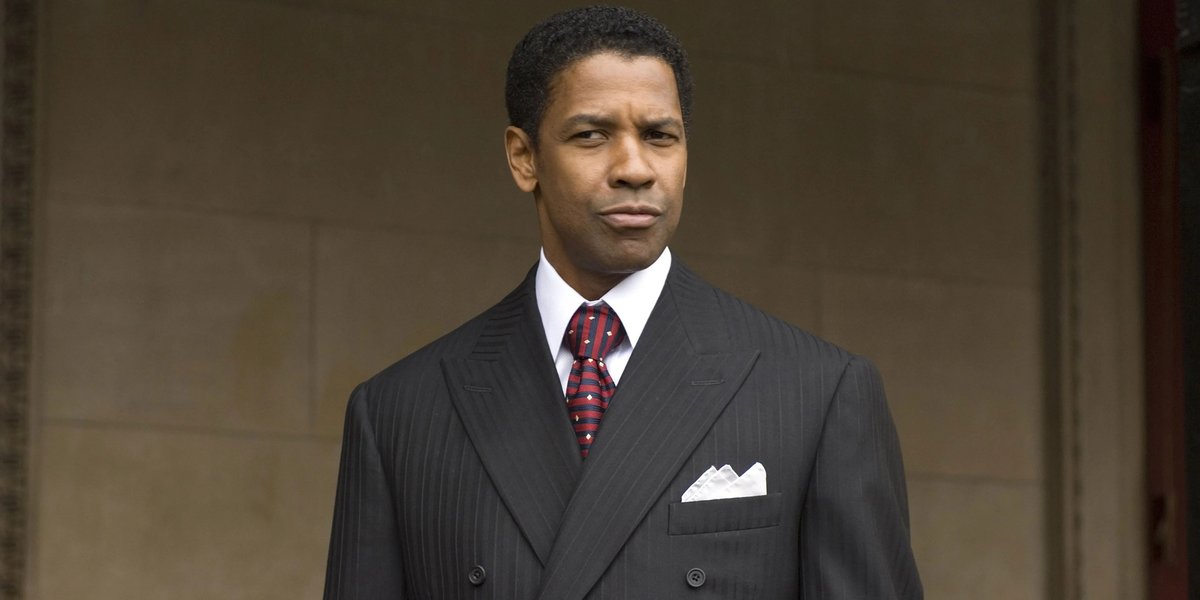
When Oscar-winning actor Denzel Washington appeared on ABC's "The View," audiences expected insightful conversation about his latest work. What unfolded instead was a moment of quiet conviction that transcended typical celebrity interviews, culminating in a powerful, unspoken statement that stunned the studio and reverberated across headlines. This wasn't just another talk show appearance; it was a masterclass in personal boundaries and the potent power of dignified silence.
The Anticipation: Faith, Film, and a Familiar Face
Denzel Washington's visit to "The View" was initially framed around promoting his new post-Civil War film, a drama delving into themes of reconciliation, forgiveness, and spiritual resilience. Introduced by Whoopi Goldberg as a "man of faith, discipline, and stillness," Washington spoke openly about his deep spiritual practice, detailing how prayer and silence were integral to preparing for his roles. He expressed his profound intention behind the film, stating he made it "to remember what grace looks like," setting a contemplative tone for the discussion. For a broader look at his engagements with the show, you can Explore Denzels full View history.
The Shifting Sands: Politics, Principles, and Poise
The interview's atmosphere began to shift when co-host Sunny Hostin steered the conversation towards party politics, questioning Washington's deliberate avoidance of such discussions. Denzel's response was immediate and profound: "Politics is noisy. Values are quiet. I don’t align with tribes—I align with truth." His words underscored a principled stance, differentiating between transient political affiliations and enduring moral convictions.
Hostin pressed further, querying whether his silence, particularly given his influential platform, could be interpreted as harmful, complicit, or even a brand-protecting strategy. Washington met these challenges with unwavering clarity and conviction. He firmly declared, "I don’t believe in performative outrage," explaining his meticulous use of words as an act of "stewardship." He pointedly added, "You’re confusing dignity with strategy" and asserted, "I didn’t come here to be interrogated about my moral worth." When Hostin offered an apology, reaffirming her intent to ask tough questions, Washington's quiet reply – "And so can Grace" – delivered a powerful, memorable lesson in composure. Dive deeper into these pivotal exchanges and other notable conversations by checking out Highlights from Denzel Washingtons The View.
The Unspoken Statement: A Quiet Walkout of Conviction
What followed was perhaps the most impactful moment of the entire segment. Shortly after the tense exchange, during a commercial break, Denzel Washington quietly rose, removed his microphone, and calmly walked off the stage. This wasn't an angry outburst or a dramatic exit; it was characterized as a powerful act of quiet conviction, a refusal to be drawn further into a conversation he felt compromised his principles. The dignity and restraint he displayed in that moment spoke volumes, cementing the incident as one of Denzels most memorable View moments.
The Aftermath: Dignity, Discourse, and the Power of Boundaries
The quiet walkout instantly became a widely discussed event, garnering widespread praise for Washington's poise and dignity under pressure. It ignited significant conversations across media and social platforms about the responsibilities of celebrities in political discourse, the boundaries of talk show interviews, and the profound importance of personal integrity. The public's reaction highlighted a collective appreciation for his unwavering stance. To understand how this pivotal moment resonated with viewers and critics alike, be sure to read about the Audience and Critical Reception to this and other Denzel appearances.
When later asked about the event, Washington offered a concise and telling response: "Not everything needs a sequel." This statement beautifully encapsulated the message of the walkout itself: that silence can be a potent form of communication, a testament to dignity, restraint, and an unwavering commitment to one's convictions. His appearance to promote his film about reconciliation and spiritual resilience truly underscored the themes of the movie within the live interview. For more details on the specific projects he's discussed on the show, explore Denzel Washingtons Film Promotions and.
Denzel Washington's quiet walkout from "The View" serves as a timeless reminder that true strength often lies not in loudness, but in the power of a quiet, unyielding conviction. It encourages us to consider the value of our own boundaries and the impact of standing firm in our personal truths, even when the world demands a different performance.