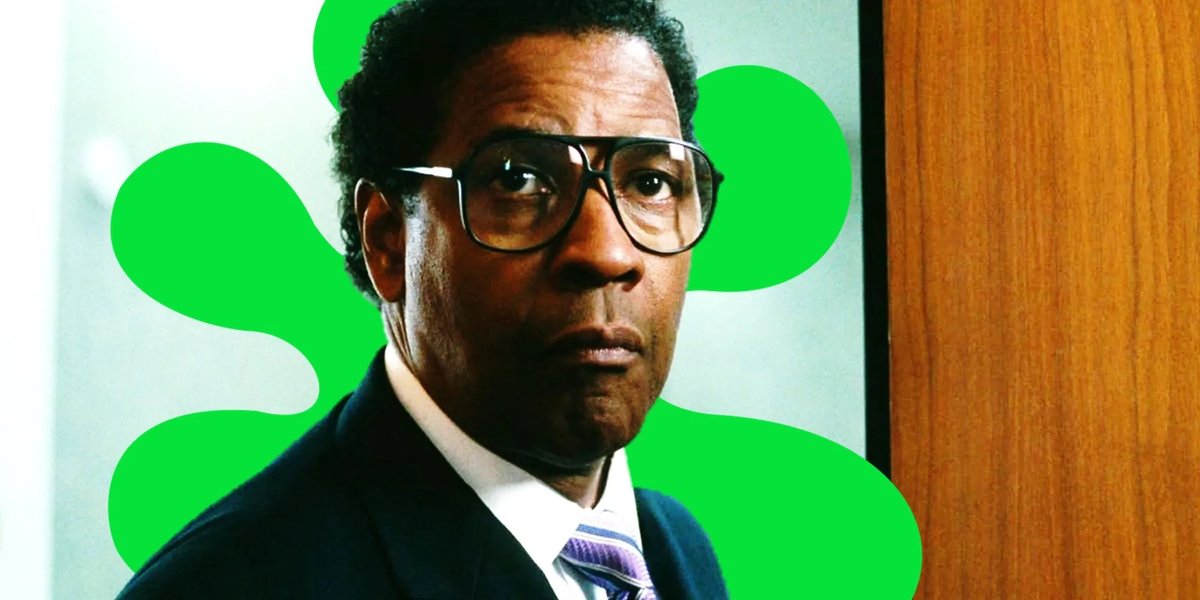
The hum of morning television often settles into a predictable rhythm, a blend of news, entertainment, and lighthearted chatter. But every so often, a moment cuts through the noise, silencing rooms and sparking debates that ripple far beyond the broadcast. Such was the case with Audience and Critical Reception to Denzel Washington's The View Interviews, specifically an exchange that culminated in an unexpected, profoundly quiet exit that captivated viewers and critics alike. It wasn't a shouting match or a dramatic confrontation; instead, it was a masterclass in controlled conviction, leaving many to ponder the evolving dynamics between public figures, persistent media, and an audience hungry for authenticity.
This incident, which quickly became one of the most talked-about moments in live television, forced a national conversation about media ethics, celebrity responsibility, and the power of selective silence. It wasn't just about what was said, but what wasn't, and the powerful subtext of an actor choosing to exit a narrative he didn't wish to inhabit.
At a Glance: Denzel Washington's The View Interview & Its Aftermath
- The Incident: During an interview on The View, Denzel Washington, promoting a film about healing and reconciliation, was repeatedly pressed by co-host Sunny Hostin about his perceived political silence.
- The Exit: Rather than engaging in a heated debate, Washington quietly removed his microphone during a commercial break and left the set, stunning co-hosts and viewers.
- The Core Conflict: A clash between a journalist's prerogative to ask tough questions and a public figure's right to define the boundaries of their engagement, particularly on personal values.
- Audience Response: Deeply divided. Many praised Washington's "graceful" and "dignified" exit as a powerful statement against media interrogation. Others defended Hostin's role in challenging influential figures.
- Critical Scrutiny: Media pundits debated journalistic ethics, the nature of celebrity advocacy, and whether The View overstepped its bounds or simply did its job.
- Lasting Impact: The event became a case study in non-verbal communication, setting boundaries in public life, and the nuanced expectations placed on celebrities in a hyper-politicized era.
The Unfolding Silence: Anatomy of a Viral Moment
It began, as many The View segments do, with a warm introduction. Whoopi Goldberg, a longtime friend and peer, welcomed Denzel Washington to the table, not just as an Oscar-winning legend, but as "a man of faith, discipline, and stillness." The applause was genuinely thunderous, transforming the often-boisterous set into something akin to a reverent space. Washington was there to discuss his latest project, a post-Civil War drama, emphasizing its themes of reconciliation, healing, and the enduring human spirit. "I didn’t make this film to entertain," he reflected softly. "I made it to remember what grace looks like." The audience, seemingly captivated, leaned in.
The Reverent Start Takes a Sharp Turn
The shift from reflective conversation to pointed inquiry began with Sunny Hostin. Her tone, while not overtly hostile, carried an undeniable sharpness. She directly confronted Washington about his public stance, or lack thereof, on political issues. "You speak about values. Faith. Forgiveness. But you don’t speak about politics. You stay out of it. Why?" she queried.
Washington, known for his thoughtful demeanor, responded with characteristic calm: "Because politics is noisy. But truth? Truth is quiet. I align with that." It was a profound statement, resonant with his film's themes, and one that visibly resonated with many in the live audience.
But Hostin pressed on, her follow-up more direct, almost accusatory: "Don’t you think silence, especially from someone of your influence, can be harmful?"
This was the moment the interview veered from discussion to perceived interrogation. The ground truth research confirms that Washington didn't raise his voice, didn't argue, nor did he display overt anger. Instead, he simply made a choice.
The "Walk-Out" Heard 'Round the Internet
What happened next became legend. As the cameras cut to commercial, Washington, without dramatics or complaint, quietly removed his microphone, nodded subtly to the co-hosts, and walked off the set. When The View returned from the break, his chair sat conspicuously empty.
The silence that followed, both on set and across the internet, was deafening. Whoopi Goldberg, ever the steady hand, offered a brief, measured statement: "We respect Denzel’s choice." Sunny Hostin, visibly shaken, tendered an apology, clarifying her intent: "It wasn’t meant to be confrontational. My job is to ask tough questions. But sometimes… maybe it’s also to listen."
This wasn't a scandal fueled by outrage, but a powerful act of quiet conviction. It was a man choosing silence over spectacle, an exit that spoke volumes more than any shouted argument could have. For many, it immediately transcended a mere talk show segment, becoming a cultural touchstone on integrity and boundaries. If you're curious to re-examine the full context of this pivotal appearance, you can find a comprehensive look at Denzel Washington's full View appearance.
Why It Resonated: Unpacking Audience Reactions
The immediate aftermath saw an explosion of online commentary, social media debates, and water cooler discussions. The incident struck a chord with a public increasingly wary of aggressive media tactics and the relentless pressure on public figures to take stances on every polarizing issue. The audience reaction wasn't monolithic; it fractured into distinct camps, each reflecting different values and perspectives on media's role and celebrity's responsibility.
The Pro-Denzel Camp: Grace, Conviction, and Boundaries
A significant portion of the audience lauded Washington's actions, interpreting his silent exit as a powerful, dignified protest. For these viewers, Washington embodied grace under pressure, refusing to be drawn into a political skirmish that detracted from his intended message of healing and faith. They saw his response as an assertion of boundaries – a fundamental right for anyone, celebrity or not.
Comments flooded social media praising his "class," "composure," and "unwavering conviction." Many felt that Hostin's questioning crossed a line, turning an interview into an ambush. Washington's refusal to perform for what he perceived as an interrogation was seen as an act of resistance against a media landscape often criticized for sensationalism and badgering. This perspective often highlighted the idea that Washington had earned the right to choose his battles, and his platform. His legacy, built on decades of powerful performances and a consistent public persona, contributed to this perception of unwavering integrity. For insights into the multifaceted career that defines Denzel Washington's legacy, it's clear why his actions carried such weight.
The Pro-Hostin Camp: The Press's Prerogative and Uncomfortable Truths
Conversely, another segment of the audience, including many journalists and media observers, defended Sunny Hostin's line of questioning. They argued that it is precisely the job of an interviewer, especially on a platform like The View, to ask challenging questions, even if they make guests uncomfortable. From this viewpoint, Hostin was merely holding an influential figure accountable, probing why someone with Washington's reach would seemingly abstain from political discourse in an era demanding moral clarity.
Supporters emphasized the importance of journalistic inquiry, particularly when interviewing celebrities who benefit from immense public platforms. They contended that avoiding political questions from public figures, especially those who speak about values, could be seen as a dereliction of journalistic duty. The expectation that celebrities use their influence for social good is a recurring theme in public discourse, and this camp believed Hostin was simply articulating that expectation.
The Muted Middle: A Call for Nuance
Beyond the two vocal extremes, a more nuanced perspective emerged. This group, while acknowledging the validity of both sides, expressed discomfort with the binary framing of the debate. They recognized the importance of journalistic inquiry but also questioned the method of interrogation, especially when it felt like a trap. Similarly, while respecting Washington's right to silence, they also grappled with the broader implications of celebrity influence in a fractured society.
This "muted middle" often called for a greater emphasis on thoughtful conversation over confrontational questioning. They pondered whether Hostin's follow-up was genuinely seeking understanding or designed to elicit a specific, perhaps controversial, soundbite. This group highlighted the complexity of expecting public figures to be both artists and activists, and the delicate balance required from media personalities like those on The View's interview format to navigate these expectations.
Critical Reception: Media Pundits Weigh In
The incident quickly became fodder for media critics, ethicists, and cultural commentators. The professional analysis delved deeper than initial audience reactions, dissecting the exchange through the lens of journalistic standards, celebrity culture, and the evolving nature of public discourse.
Journalistic Ethics Under Scrutiny
A central pillar of the critical discussion revolved around journalistic ethics. Was Hostin's questioning fair, or did it cross the line into aggressive advocacy? Many argued that while asking about a guest's political views is legitimate, the persistent nature of the inquiry, especially after Washington had clearly articulated his position, bordered on badgering. The concern was that the interview shifted from seeking information to attempting to extract a specific, desired answer, potentially alienating the guest and undermining the trust essential for good journalism.
Others countered that Hostin's role on The View often involves pushing boundaries and engaging in vigorous debate. They posited that in a charged political climate, avoiding such questions from influential figures would be a form of soft censorship, denying the audience insights they might genuinely seek. This perspective often frames these moments as necessary friction in the pursuit of truth, however uncomfortable. The ethical tightrope walked by journalists in live television is a constant point of debate, with moments like these serving as stark examples of the potential pitfalls and triumphs.
The Art of the Interview: Interrogation vs. Conversation
The incident also sparked a broader discussion about the "art" of the interview. Was it an interrogation, designed to corner the subject, or a conversation, aimed at fostering understanding? Washington's calm, deliberate exit suggested he felt the former. Critics often highlighted that an effective interview aims to uncover insights, not to impose a viewpoint. They pointed out that an interviewer's goal should be to draw out the guest, not to put them on the defensive, especially when the guest is there to promote a project distinct from political activism.
However, some argued that for a show like The View, known for its panel's strong opinions and willingness to challenge, a degree of "interrogation" is part of the expectation. They felt that Washington, by agreeing to appear, implicitly accepted the possibility of such questioning. This debate underscores the fundamental tension between a show's brand identity and the guest's comfort zone.
Celebrity Expectations in a Politicized Landscape
Beyond the immediate exchange, critics explored the broader phenomenon of celebrity advocacy expectations in a deeply politicized world. In an era where every public figure is seemingly expected to be an activist, Washington's insistence on a quieter, values-driven approach stood out. Was his choice to remain politically neutral (or at least privately partisan) an outdated stance, or a refreshingly authentic one?
Some critics argued that in a democracy, influential voices have a moral obligation to speak out, and that silence can be complicity. They pointed to other celebrities who actively engage in political discourse, framing their involvement as a necessary use of their platform. Conversely, others defended Washington's right to prioritize his artistic and spiritual work, arguing that forcing political engagement on every public figure stifles diverse voices and genuine dialogue. They posited that Washington, by focusing on themes of grace and reconciliation, was perhaps engaging in a different, equally vital form of social commentary, transcending the partisan fray.
The Broader Implications: Beyond The View's Roundtable
The Denzel Washington incident wasn't just a fleeting TV moment; it crystallized several significant trends in media, public life, and celebrity culture. Its ripple effects continue to inform discussions about communication, boundaries, and societal expectations.
The Power of Non-Verbal Communication
Perhaps the most enduring lesson from Washington's exit is the profound impact of non-verbal communication. His quiet departure, devoid of anger or grandstanding, spoke volumes. It was a clear, unambiguous statement of refusal without uttering a single confrontational word. This form of silent protest or boundary-setting can often be more impactful than any verbal rebuttal, as it forces observers to interpret meaning rather than just react to rhetoric. It demonstrated that sometimes, the most powerful response is to simply remove oneself from a situation that no longer serves one's purpose or values. This silent, dignified assertion of control became a model for many watching.
Setting Boundaries in Public Life
The incident offered a potent example of a public figure effectively setting boundaries. In an age of pervasive media and constant scrutiny, celebrities often find themselves without personal space or control over their narratives. Washington's act, intentional or not, became a guide for how to reclaim agency. It highlighted that even in a highly public forum, individuals retain the right to define the limits of their engagement. This has resonated deeply with a public increasingly concerned with privacy and the erosion of personal boundaries, offering a template for asserting self-respect in challenging situations. The ability to make a clear, firm statement without resorting to confrontation is a lesson that extends far beyond the world of celebrity.
The Evolving Role of Celebrity Activism
The debate also underscored the evolving and often contradictory expectations placed on celebrities regarding political and social activism. There's a growing societal pressure for influential figures to leverage their platforms for causes, yet simultaneously, a backlash against perceived "virtue signaling" or inauthentic engagement. Washington's choice to speak about "truth" and "grace" rather than partisan politics offered an alternative model. He demonstrated that influence can be wielded through example and artistic expression, rather than just through direct political endorsements or pronouncements. This incident continues to shape conversations around the nuances of the impact of silent protest and the many forms celebrity activism can take.
Lessons for Media & Public Discourse
The Denzel Washington interview on The View serves as a valuable case study for all parties involved: interviewers, public figures, and audiences. It offers practical guidance on navigating complex interactions in the public eye.
For Interviewers: Balancing Inquiry and Respect
The core lesson for interviewers is the delicate balance between journalistic inquiry and personal respect. While asking tough questions is vital, the delivery and persistence of those questions can define the interview's success or failure.
- Active Listening: Beyond formulating the next question, truly listen to the guest's answers. Washington clearly stated his preference for quiet truth over noisy politics.
- Recognize Boundaries: Understand that guests have a right to define the scope of their discussion, especially when promoting specific work.
- Avoid Traps: Frame questions to elicit genuine insight, not to corner or embarrass. An interview should ideally be a dialogue, not an interrogation.
- Read the Room: Pay attention to non-verbal cues. If a guest is becoming visibly uncomfortable or shutting down, a different approach may be warranted. The ethics of how media ethics in live TV are handled remains a critical discussion point for producers and hosts alike.
For Public Figures: Crafting Your Voice (or Silence)
For public figures, Washington's actions provide a powerful blueprint for managing public appearances and personal narratives.
- Define Your Message: Be clear about what you want to discuss and what you consider off-limits before an interview.
- Stay True to Yourself: Washington's calm reflected his long-standing persona. Authenticity resonates more than forced arguments.
- The Power of Non-Engagement: Recognize that sometimes, the most effective response to an uncomfortable line of questioning is a graceful withdrawal, rather than escalating a debate.
- Set Expectations: If possible, communicate your boundaries to producers beforehand. While not always foolproof, it can mitigate unexpected turns.
For Audiences: Navigating Media Narratives
For the audience, the incident is a reminder to engage critically with media portrayals and celebrity narratives.
- Look Beyond the Soundbite: Understand that live television is often edited and framed. Seek out full contexts and multiple perspectives.
- Question Intent: Consider the motivations behind tough questions – is it genuine inquiry or a pursuit of controversy?
- Form Your Own Opinions: Avoid getting swept up in immediate outrage or unquestioning support. Reflect on the nuances of the situation.
- Recognize Human Element: Remember that both interviewers and interviewees are human, capable of missteps and complex emotions.
Addressing Common Questions & Misconceptions
The incident spawned many questions and interpretations. Let's tackle some of the most common ones.
- Was Denzel truly angry?
Based on all available accounts and footage, Denzel Washington did not display overt anger. His exit was characterized by quiet dignity and composure, suggesting a conscious decision rather than an emotional outburst. He reportedly didn't raise his voice or argue. - Was Sunny Hostin out of line?
This is highly debatable and was the crux of the critical reception. Many viewers and critics felt she overstepped by persistently pressing a political agenda onto a guest who had already indicated his preference for a different kind of discourse. Others defended her journalistic prerogative to ask challenging questions of influential figures. There's no single universal answer; it depends on one's perspective on media's role. - Did The View exploit the moment?
While the show certainly benefited from the viral nature of the exit and the subsequent debate, it's difficult to definitively say The View producers intended to exploit the situation. Sunny Hostin's visible discomfort and apology suggest that the outcome was not necessarily pre-planned or desired. However, such moments invariably generate buzz and publicity, which can be seen as an indirect form of exploitation.
The Enduring Echo: A Dialogue That Continues
The "walk-out" of Denzel Washington from The View interviews, rather than fading into obscurity, has settled into the collective memory as a potent symbol. It stands as a testament to the power of quiet conviction, the complexities of media scrutiny, and the ever-present tension between public persona and personal conviction.
This wasn't just a fleeting incident; it was a catalyst for introspection, prompting discussions about how we engage with influential figures, what we expect from our media, and how individuals can assert their truth in an increasingly loud world. Washington’s moment of grace, as it has been widely termed, continues to echo, reminding us that sometimes, the most profound statements are made not with a shout, but with a simple, dignified exit. It's a dialogue that, in various forms, continues in living rooms, newsrooms, and online forums, ensuring that the critical reception to Denzel Washington's The View interviews remains a relevant and thought-provoking chapter in modern media history.