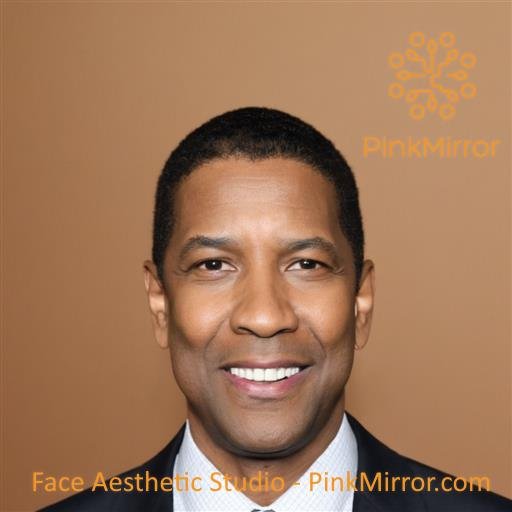
The air on The View often crackles with vibrant debate and the occasional flashpoint, but few moments have resonated with the quiet power of Denzel Washington's appearance. What began as a routine segment to promote his new film, a post-Civil War drama focused on reconciliation, quickly pivoted into a pointed interrogation about his political silence, culminating in an uncharacteristically calm, yet undeniably definitive, walk-off. This incident offers a rich landscape for an Analysis of Denzel Washington's Dynamic with The View Co-Hosts, revealing layers about media expectations, personal boundaries, and the nuanced art of communication in a high-stakes environment.
It wasn't just a brief awkward moment; it became a national conversation, a masterclass in composure, and a rare televised demonstration of integrity that continues to be discussed.
At a Glance: Key Takeaways from Washington's View Encounter
- The Pivot: An interview intended for film promotion veered sharply into a politically charged Q&A from co-host Sunny Hostin.
- Washington's Stance: He distinguished between "silence" and "discernment," emphasizing that "truth is quiet" and rejecting "performative outrage."
- The Exit: Denzel Washington's departure was quiet, deliberate, and free of dramatics, a stark contrast to the show's usual spirited exchanges.
- Public Reaction: The incident went viral, garnering widespread praise for Washington's poise, grace, and clear boundary-setting.
- Core Message: The event highlighted a clash between media's desire for public figures to engage in "hot takes" and an individual's right to choose where and how they use their voice.
- Lasting Impact: It sparked crucial discussions about civility in public discourse, media ethics, and authentic leadership.
The Unfolding Scene: When Promotion Met Provocation
The stage was set, as it usually is on The View, for a charismatic guest to discuss their latest project. Denzel Washington, a towering figure in cinema, was there to talk about a film designed to spark contemplation around post-conflict reconciliation. Yet, the conversation took an abrupt turn when co-host Sunny Hostin shifted gears, pressing Washington repeatedly on his perceived political silence.
Hostin's line of questioning suggested that Washington's avoidance of political commentary might be "harmful" or a calculated move to "protect his image." It was a direct challenge, not just to his public persona, but to his very principles. This wasn't merely asking about his film's themes; it was demanding he embody a certain type of political engagement, on command, in a very specific arena.
Washington's Calculated Response: Silence vs. Discernment
Denzel Washington is renowned for his powerful on-screen presence, but it was his quiet conviction in this live television moment that truly captivated audiences. He didn't erupt, he didn't raise his voice, nor did he shrink. Instead, he met the challenge with a clarity and philosophical depth that underscored the very wisdom often associated with his most iconic characters.
He articulated a profound distinction: "Politics is noisy. But truth? Truth is quiet. I align with that." This wasn't an evasion; it was a carefully considered stance on where true influence lies. He went on to reject the notion of performative engagement, stating, "I don't believe in performative outrage. I speak where I'm called to. Not where I'm baited." These words cut through the noise, signaling a refusal to be drawn into a spectacle for entertainment or ratings.
Washington also subtly challenged the assumption that his voice was absent simply because it wasn't heard in this specific context: "You don’t know where I’ve used my voice. You only know where you didn’t hear it." This implied a strategic, intentional application of his influence, far removed from the immediate, often reactive, demands of cable news. His final statement before his exit encapsulated his entire philosophy for that moment: "I’m not here to be your headline. I’m here to be a light." For a deeper dive into the specifics of that interview and the surrounding context, consider exploring Denzel Washingtons interview on The View.
The Unscripted Exit: A Masterclass in Boundaries
The moment of departure was as impactful as Washington's words. As cameras cut to commercial, he calmly removed his microphone, offered a slight nod, and walked off the set. There was no theatrical storming-off, no visible anger, just a deliberate and dignified exit. When the show returned, his chair remained empty.
This wasn't a celebrity tantrum; it was a clear demonstration of boundaries. Washington later elaborated on his decision, explaining, "I walked out because I felt the energy had shifted. I don’t engage in conversations that tear people down. That’s not who I am. I’d rather walk away than feed a fire that doesn’t warm anyone." This statement solidified the idea that his exit was not about being offended, but about protecting his personal and professional integrity from a dynamic he deemed unproductive and potentially harmful.
The Immediate Aftermath on Set
Back on air, Whoopi Goldberg, a seasoned moderator and fellow actor, offered a respectful statement, acknowledging the moment without dwelling on it. Sunny Hostin, the instigator of the shift, later offered a mea culpa of sorts, reflecting on her role: "My job is to ask tough questions, but sometimes maybe it’s also to listen." This acknowledgment, while coming after the fact, highlighted a recognition of the tension between journalistic duty and personal interaction.
Why it Went Viral: Public Praise for Poise and Principle
The incident quickly exploded across social media and news outlets, with an overwhelming wave of support for Denzel Washington. Commentators universally hailed his actions as a "masterclass in composure" and a "rare moment of televised integrity."
The public's reaction wasn't just about defending a beloved actor; it resonated with broader frustrations around:
- Performative Activism: Many viewers echoed Washington's disdain for "performative outrage," feeling that genuine change often comes from quieter, more strategic efforts, rather than immediate, loud condemnations on demand.
- Media Pervasiveness: The incident tapped into a discomfort with the constant demand for public figures to weigh in on every issue, blurring the lines between their professional work and their private political convictions.
- The Power of Boundaries: Washington's calm but firm boundary-setting struck a chord with anyone who has felt pressured to engage in an uncomfortable or unproductive conversation. His ability to disengage with grace became a powerful lesson in self-respect.
- Authenticity vs. Spectacle: In an era dominated by soundbites and viral clips, Washington's quiet departure and thoughtful words stood out as an authentic response to a situation designed for spectacle.
This moment became a touchstone for national conversations about civility, the nature of leadership, and the strength of choosing principle over provocation.
Dissecting the Dynamic: Media's Role vs. Guest's Autonomy
The clash between Denzel Washington and The View co-hosts wasn't merely a personal disagreement; it was a microcosm of larger tensions in contemporary media and public discourse.
The Interviewer's Imperative: Probing or Provoking?
The View is known for its unscripted, often confrontational style. Its co-hosts are expected to engage, to challenge, and to elicit candid responses, particularly on politically charged topics. Sunny Hostin, as a legal analyst and co-host, often embodies this probing role. From her perspective, pushing Washington on his political silence might have been seen as:
- Journalistic Duty: A belief that public figures, especially those with Washington's influence, have a moral obligation to use their platform for social commentary.
- Reflecting Viewer Curiosity: Assuming that the audience, particularly The View's audience, would genuinely want to know why he remains publicly apolitical.
- Generating Discussion: An attempt to spark a "viral moment" or a deeper conversation that aligns with the show's format.
The question then becomes: where is the line between asking tough questions and actively seeking to bait or provoke a specific type of response? Washington's reaction suggests that line was crossed.
The Guest's Autonomy: A Right to Discernment
Washington's response championed the idea that public figures have a right to choose where and how they exert their influence. His concept of "discernment" implies a strategic, internal compass that guides his actions, rather than external pressures.
His actions highlighted several key aspects of guest autonomy:
- Controlling the Narrative (within limits): While media interviews involve relinquishing some control, Washington asserted his right to steer the conversation away from topics he deemed unproductive or designed to "tear people down."
- Defining Influence: He challenged the notion that influence only comes from loud, public political statements. His commitment to being "a light" rather than "a headline" suggests a different, perhaps more enduring, form of impact.
- Protecting Personal Energy: Washington's later comment about "feeling the energy shift" speaks to the importance of psychological and emotional boundaries, especially for individuals constantly in the public eye.
This dynamic underscored a fundamental disagreement on the responsibility of a public figure to engage in every facet of the public conversation, particularly when that engagement feels coercive or disingenuous.
The Rhetoric of Resistance: Washington's Strategic Communication
Washington's statements during the interview, and his subsequent explanation, offer a masterclass in strategic communication under pressure.
"Truth is Quiet": A Counter-Narrative
In a world saturated with constant noise, Denzel Washington's assertion that "truth is quiet" is a powerful counter-narrative. It implicitly critiques a media landscape that often rewards volume over substance, and immediate reaction over thoughtful reflection. By aligning himself with quiet truth, he positioned himself as a figure of depth and introspection, rather than a mere participant in the daily clamor.
Rejecting "Performative Outrage"
This phrase struck a particularly strong chord. "Performative outrage" describes the act of expressing strong emotions, often anger or condemnation, primarily for the purpose of demonstrating one's moral alignment or gaining social approval, rather than genuinely seeking constructive change. Washington's refusal to engage in this signaled:
- Authenticity: He would not feign anger or align with popular sentiment if it wasn't his genuine conviction.
- Substance Over Showmanship: His actions would be guided by what he believes is "right," not by the applause or safety of public agreement.
- Critique of Social Media Culture: The term resonates with the performative aspects often seen in online discourse, where expressing strong opinions can sometimes overshadow meaningful action.
"Not Here to Be Your Headline. I’m Here to Be a Light."
This final, profound statement before his exit crystallizes his intent. He refused to be reduced to a sensational soundbite or a controversy generator. Instead, he presented himself as an agent of positive influence ("a light"), implying a broader, more enduring mission than the fleeting nature of daily news cycles. This wasn't just a personal statement; it was an artistic one, aligning with the themes of his film and his career's commitment to impactful storytelling.
Lessons Learned: From the Panel to the Public Square
The Denzel Washington incident on The View offered more than just viral content; it provided valuable lessons for public figures, media professionals, and everyday individuals navigating complex conversations.
For Public Figures and Leaders: The Power of Principled Disengagement
- Know Your Boundaries: Washington clearly understood his personal and professional limits. Being a public figure doesn't mean sacrificing your right to choose your battles.
- Articulate Your Philosophy: His ability to clearly state why he was choosing silence (or discernment) legitimized his position and gave weight to his eventual departure.
- Choose Grace Over Confrontation: His quiet exit demonstrated that powerful statements can be made without anger or drama, often amplifying the message.
- Define Your Impact: Washington challenged the notion that influence only comes from public political declarations. Leaders can choose various avenues to be "a light."
For Media Professionals: Reassessing Engagement and Empathy
- The Line Between Probing and Pushing: The incident served as a potent reminder for journalists and hosts to evaluate when tough questions transition into badgering or attempting to extract a specific, pre-determined reaction.
- Listen to the Unsaid: Hostin's later reflection on the importance of listening, not just asking, highlights the need for empathy and responsiveness in interviews. A guest's discomfort or a shift in energy can be a crucial signal.
- Respect the Guest's Agenda (within reason): While hosts have an agenda, outright hijacking a promotional interview for a political interrogation can alienate guests and, as seen here, lead to unintended consequences.
- Consider the Broader Impact: Sensational headlines might draw initial clicks, but moments of authentic integrity can leave a more lasting and positive impression on viewers.
For the Public: Understanding Nuance in Public Discourse
- Challenging "Performative Outrage": The incident encourages us to question our own expectations of public figures and our consumption of media. Do we demand instant, loud reactions, or do we value thoughtful, strategic engagement?
- Valuing Different Forms of Influence: Washington's approach reminds us that impact isn't always loud; it can be quiet, consistent, and deeply considered, whether through art, philanthropy, or personal example.
- Practicing Discretion: Just as Washington chose discernment, we too can learn to apply this to our own interactions, choosing when and where to engage, and when to respectfully disengage from conversations that "tear people down."
Common Questions and Misconceptions
"Was Denzel Washington rude to walk off The View?"
This is a common question, and the answer largely depends on perspective. Washington's actions were deliberate, not impulsive. He didn't interrupt, yell, or cause a scene. He waited for a commercial break, calmly removed his mic, and quietly left. His later explanation reinforced that it was a principled decision based on an "energy shift" and a refusal to participate in "conversations that tear people down." Many viewers and commentators praised his conduct as graceful and dignified, viewing it as a respectful assertion of boundaries rather than rudeness.
"Should celebrities be forced to speak on political issues?"
Washington's incident powerfully illustrates the tension around this. There's a strong argument that public figures, by virtue of their platform, have a responsibility to speak out. However, Washington's response champions the idea of individual autonomy and discernment. He argued that he chooses where and when to use his voice, and that "performative outrage" is not his style. This suggests that while public figures can speak out, they shouldn't be forced or baited into doing so, particularly in ways that compromise their integrity or chosen method of influence. His point was that his silence on The View didn't mean silence elsewhere.
"Was Sunny Hostin out of line for asking political questions?"
The View's format often involves direct and probing questions, including political ones. Hostin's role typically involves challenging guests. However, the controversy suggests that while asking tough questions is within her purview, the persistence and the framing of the questions—implying Washington's silence was "harmful" or for "image protection"—pushed the boundary from inquiry to accusation. Hostin's subsequent apology, where she noted "sometimes maybe it’s also to listen," indicates an acknowledgment that the dynamic might have overstepped.
The Enduring Light: A Moment That Continues to Resonate
The dynamic between Denzel Washington and The View co-hosts wasn't just a fleeting moment of televised drama. It was a potent, unscripted exchange that peeled back layers on media responsibility, personal integrity, and the very nature of influence in the public sphere. Washington's quiet departure, backed by his articulate defense of discernment over display, transcended the immediate context of a talk show segment.
It became a vivid illustration of how, in an increasingly noisy and demanding world, the most powerful statements can sometimes be made with quiet conviction and the courage to simply walk away. His choice to be "a light" rather than "a headline" continues to shine a spotlight on crucial conversations about civility, authentic leadership, and the respectful boundaries necessary for constructive dialogue. It serves as a reminder that true power often lies not in conforming to expectations, but in standing firmly in one's principles, even when the cameras are rolling.